
The Hidden Weight of Financial Stress
Imagine checking your bank account and seeing nothing but zeros when an emergency hits. It is a feeling that sits heavy in your chest, making every breath feel like a chore. You have bills piling up, and the pressure is mounting daily.
Many people find themselves in this exact spot through no fault of their own. Unexpected car repairs or medical bills can wipe out savings in a heartbeat. When your credit score is not perfect, the doors to traditional banks seem to slam shut.
The Cycle of Bad Information
You might search for help online and find thousands of confusing ads. These often lead to websites that promise the world but deliver high fees and hidden traps.
.Many people fall for payday lenders who charge interest rates that are impossible to pay back.
- Misleading articles often suggest "get rich quick" schemes that only result in more debt.
- You end up wasting time on applications that were never going to approve you in the first place.
The Impact on Your Daily Life
This constant struggle steals your focus. You cannot enjoy dinner with your family because you are worried about the next due date.
- Lost Sleep: You spend hours at night staring at the ceiling, trying to do math that does not add up.
- Declining Confidence: You begin to feel like you are failing at basic adult responsibilities.
- Strained Relationships: Money stress often leaks into your conversations, causing arguments with those you love.
When you feel backed into a corner, your judgment often becomes clouded. You need a clear path forward, not more confusion. True relief comes from understanding how to navigate the system, even when your history is not perfect. You deserve to regain control over your financial life today.
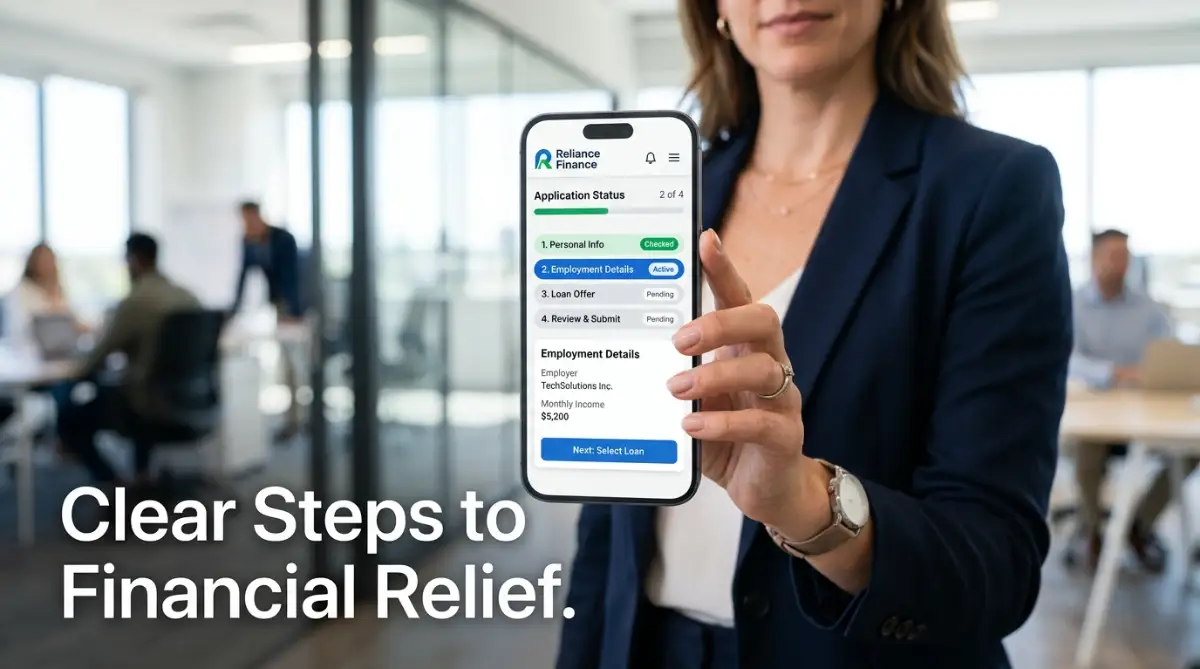
Getting Ready: Your Path to Approval
Getting a loan without a credit check is not about magic. It is about transparency and preparation. If you approach this with a clear plan, your chances of success go up significantly.
Step 1: Organize Your Income Records
Lenders need to see that you have a steady way to pay them back. Even without a credit score check, they will look for proof of income. You must gather your last three months of bank statements and pay stubs.
When your paperwork is messy, lenders get nervous. If you have a clean folder with all your documents ready, you look like a responsible borrower. This small step builds immediate trust.
Step 2: Understand Your Borrowing Limit
Many people make the mistake of asking for too much money. You must calculate exactly what you need to cover your current emergency.
If you request a large sum without a high income to match, you will likely get a rejection. Aim for a reasonable amount that fits comfortably within your monthly budget. Smaller requests are much easier for lenders to approve quickly.
Step 3: Use Reputable Platforms Only
Not all online lenders are created equal. You must search for lenders who are registered and have clear terms.
Check for transparent fee structures before you hit the submit button. A good lender will never ask you to pay a large "application fee" upfront. If they ask for money before they give you the loan, walk away immediately.
Why Preparation Matters for Approval
When you present yourself as an organized borrower, the process moves faster. Lenders are businesses, and they want to lend money to people who have their facts straight.
Think of this like applying for a job. If you show up with a wrinkled resume, the employer assumes you are careless. If you bring a crisp, organized document, you look like a professional. The same logic applies to your loan application.
Managing Your Monthly Cash Flow
Once you have your documents, look at your monthly spending. Can you trim any unnecessary subscriptions? Even saving a small amount each month shows the lender that you are managing your money well.
This practice also helps you stay afloat once you get your loan. It prevents the need to borrow again in a few months. Remember, a loan is a tool, not a solution to low income.
Building Trust Through Small Steps
If you find that a lender denies your application, do not give up. Ask them specifically why they said no. Sometimes, it is as simple as a missing document or a typo in your address.
Fixing these small errors is often all it takes to turn a "no" into a "yes." You are building a history of reliability with every interaction. Stay calm, stay organized, and keep moving forward.
Disclaimer: This content is for informational purposes only and does not constitute financial or legal advice. Always consult with a certified financial advisor or bank representative before applying for any loan products. Loan eligibility and terms are subject to lender policies and individual creditworthiness.
Step 4: Mastering Your Monthly Cash Flow
Once you secure a loan, the real work begins. You must ensure you can make payments without missing a single deadline. Creating a manageable personal budget is the best way to keep your finances on track.
Break down your income versus your expenses on a simple sheet of paper. Identify any "leaks" where money disappears, like unused subscriptions or dining out too often. Redirect that cash into your loan repayment fund.
Think of this like refueling your car during a long road trip. If you stop regularly to fill the tank, you will reach your destination without getting stranded. Small, consistent payments are much safer than trying to pay everything back at once.
Step 5: Strategies for Long-Term Financial Health
Getting a loan is a short-term fix, but your goal should be long-term stability. You want to reach a point where you never need to search for no-credit-check options again.
Start by keeping a close eye on your V to ensure you are not repeating old patterns. Even after your loan is paid off, keep putting aside a small amount of cash every month. This creates a safety net that protects you from future emergencies.
Most experts at suggest that an emergency fund is your greatest shield. Having just a few hundred dollars saved can save you from high-interest debt down the road. Treat your savings like a monthly bill that must be paid to yourself first.
Professional Habits for Sustained Success
Consistency is your best friend when managing debt. If you find your current debt load is getting too heavy, look into V to simplify your payments.
- Set Automatic Reminders: Use your phone to alert you three days before a payment is due.
- Track Your Progress: Seeing your balance go down provides a massive boost to your motivation.
- Avoid New Debt: Until your current loan is settled, do not take on any new, unnecessary financial obligations.
If you ever feel overwhelmed, do not hide from the problem. A simple conversation with your lender can sometimes lead to an adjusted schedule. Most institutions would rather work with you than see you default on a payment.

The Common Traps That Keep You Stuck
Many people stumble because they ignore the warning signs during the application process. Avoiding these pitfalls can save you from years of financial stress.
"Guaranteed Approval" Scams
Any lender claiming "guaranteed approval" is likely running a scam. Real lenders always perform some level of review, even if they skip a deep credit check. Legitimate sources, as often noted by the warn that upfront fees are a major red flag.
2. Ignoring the Total Cost of the Loan
Never look only at the monthly payment amount. You must look at the Annual Percentage Rate (APR) and the total interest paid over the life of the loan. A small monthly payment might hide a massive interest rate that keeps you in debt for years.
3. Borrowing More Than You Actually Need
It is tempting to ask for extra cash "just in case," but this is a dangerous habit. You are paying interest on every dollar you borrow. Stick strictly to the amount required to solve your immediate emergency.
4. Providing Inaccurate Information
Even in a no-credit-check loan, honesty is mandatory. If you lie about your income or employment, you will likely get flagged. This can blacklist you from future borrowing opportunities with that lender.
5. Missing Payment Deadlines
Missing a payment is the fastest way to wreck your financial reputation. Even if the loan did not require a credit check, the lender will report late payments to bureaus. You must prioritize these payments above luxury spending.
Your Path Toward Financial Freedom
You have the power to change your situation by being smart, organized, and proactive. The stress of needing cash can feel permanent, but it is actually a temporary hurdle.
By following these steps, youhave moved from confusion to clarity. You now understand how to vet lenders, organize your records, and manage your payments. This level of preparation separates successful borrowers from those who remain trapped in debt.
Remember, what happens if you miss a personal loan EMI payment can be difficult to manage, so keep your focus sharp. Take one step at a time, celebrate your small wins, and stay disciplined. You are capable of navigating this challenge and securing the financial breathing room you need today.
Disclaimer: This content is for informational purposes only and does not constitute financial or legal advice. Always consult with a certified financial advisor or bank representative before applying for any loan products. Loan eligibility and terms are subject to lender policies and individual creditworthiness.