The Hidden Stress of Trying to Borrow Money When You Have No Assets to Risk
Imagine needing money urgently for a family emergency or a promising business idea. You walk into a bank, hoping for a helping hand to get through this tough time. Instead, they ask you to put up your family home or car as a guarantee.
Your heart sinks because you do not have those assets, or you simply cannot risk losing them. This constant fear of financial rejection leaves many of us feeling completely stuck and helpless. You begin to feel like the financial system only helps those who are already wealthy.
Why Finding Clear Loan Information Feels Almost Impossible
Let us look at why getting a clear answer online is so hard:
- Most websites give confusing advice filled with complex banking terms that make no sense to normal readers.
- Shady online lenders offer quick cash but hide extremely high interest rates in their fine print.
- Well-meaning friends give outdated tips that do not match today's real banking rules.
- Many blogs promise easy approval but actually try to sell you expensive, unnecessary services.
How Financial Rejection Chips Away at Your Peace of Mind
Constant financial stress can seriously hurt your mental well-being:
- Fearing that you might lose your home to a bank makes you lose sleep at night.
- Getting rejected repeatedly by banks makes you feel like you are failing your family.
- The constant worry about money stops you from focusing on your job or business growth.
- You start feeling isolated, believing that bank loans are only meant for already rich people.
The Reality of the Modern Unsecured Loan Market
We must understand that banks are not actually against you. They simply want to make sure they get their money back.
When you do not offer collateral, the bank feels they are taking a massive gamble. This is why they build high walls of paperwork and strict rules.
But here is the good news: millions of people get loans every single day without pledging a single asset. These are called unsecured loans or personal loans.
You do not need to own a mansion or a luxury car to qualify. The secret lies in proving your reliability in other ways.
Once you know exactly what banks look for, you can present yourself as a safe borrower. We are going to show you how to do exactly that, step by step.
Your Practical Roadmap to Getting Approved for an Unsecured Bank Loan
Getting a loan without collateral requires a solid plan. You need to show the bank that your word is as good as gold.
By preparing your finances beforehand, you can make yourself look like the perfect borrower. Let us break down the exact steps you need to take.
Step 1: Polish Your Credit Score Until It Shines
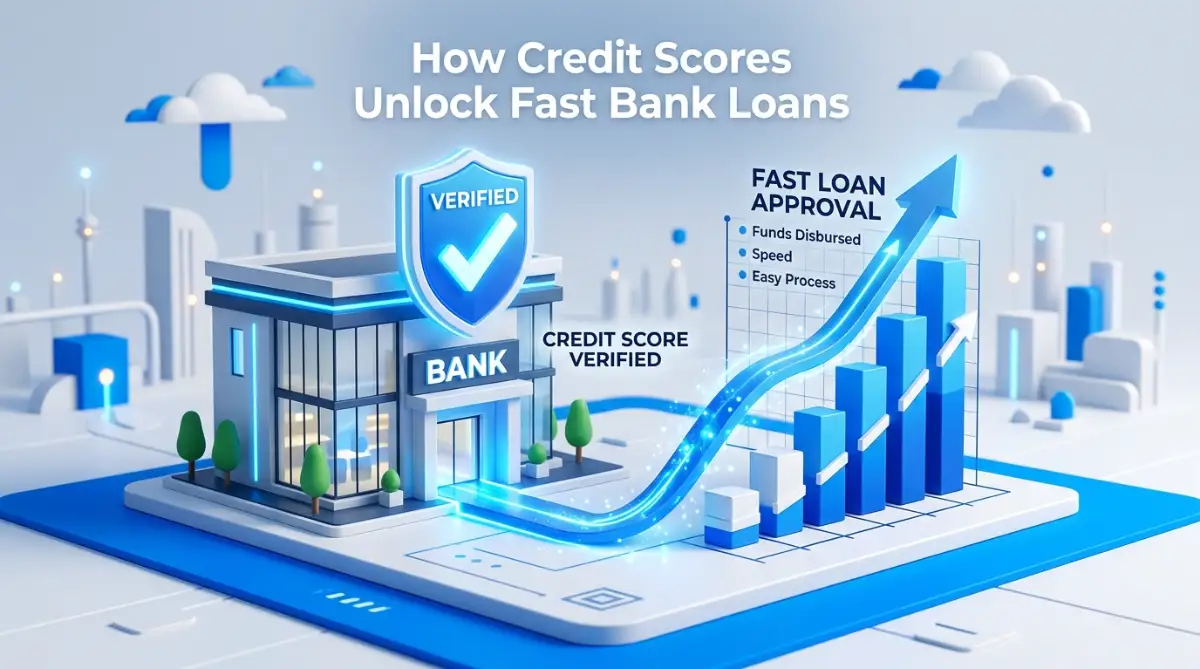
Your credit score is like a digital report card for your financial behavior. When you ask for a loan without collateral, this score is the very first thing a bank checks.
It tells them if you pay your bills on time or run away from your debts. If you have a high score, banks will gladly offer you money at lower interest rates.
How to improve your score starting today:
- Check your credit report for any mistakes or old errors that might be dragging your score down.
- Set up automatic payments for all your credit cards and utility bills so you never miss a due date.
- Keep your credit card balances low, ideally using less than thirty percent of your total limit.
- Avoid applying for multiple new credit cards at the same time, as this makes you look desperate for cash.
Think of your credit score as your financial reputation. Just like trust in a friendship, building a good score takes time and steady effort. But once you have it, doors will open easily.
Step 2: Organize Your Income Proof to Show Rock-Solid Stability
Banks love predictability more than anything else in the world. They want to see a steady stream of money landing in your bank account every single month.
This gives them confidence that you can easily afford the monthly loan payments. If you are a salaried employee, this step is relatively straightforward.
If you are self-employed or a freelancer, you will need to work a bit harder to prove your earnings.
Documents you must gather immediately:
- Your official pay stubs or salary slips from the last three to six months.
- Complete bank statements showing your salary deposits and daily spending habits.
- Your latest tax return documents to prove your annual income is legal and consistent.
- A formal letter from your employer confirming your current job role and salary.
Imagine lending money to a friend who changes jobs every single month. You would probably worry about getting your money back. Banks think the exact same way, so showing job stability is your golden ticket.
Step 3: Lower Your Debt-to-Income Ratio to Safe Levels
Your Debt-to-Income (DTI) ratio is a simple math formula that banks use. It compares how much money you owe each month to how much money you earn.
To calculate this, add up all your monthly debt payments, like credit cards or student loans. Then, divide that number by your gross monthly income.
Banks generally prefer a DTI ratio that is below thirty-six percent. If your ratio is higher, banks worry that adding another loan payment will break your budget.
Practical ways to lower your DTI ratio quickly:
- Pay off your smallest debts first to completely eliminate those monthly payments.
- Try to increase your monthly income by taking on a side job or doing freelance work.
- Stop using your credit cards for unnecessary purchases while you prepare your loan application.
- Create a strict monthly budget to free up cash for paying down existing debts.
Think of your monthly income as a pie. If other lenders are already eating most of that pie, there is nothing left for a new bank. Clearing up space on your plate makes you look incredibly responsible.
Understanding How Banks Evaluate Your Application
Let us look at the science behind bank decisions. Most modern banks use automated underwriting software to scan your application.
These systems look at thousands of data points in a fraction of a second. They look at how long you have lived at your current address.
They check if you have a stable phone number and a clean banking history. Any small red flag, like an overdraft fee from last month, can trigger an automatic rejection.
This is why keeping your bank account clean and positive is so important. Try to avoid any gambling transactions or suspicious transfers on your bank statements. Keep your account activity calm, regular, and professional.
Choosing the Right Bank for Your No-Collateral Loan
Not all banks treat unsecured loans the same way. Large national banks often have very strict rules and high credit score requirements.
On the other hand, smaller community banks and local credit unions are usually more flexible. They often look at you as a human being rather than just a number on a screen.
If you already have a checking or savings account with a specific bank, start there. They already know your financial habits and are more likely to trust you.
Questions to ask before choosing a lender:
- What is the minimum credit score required for an unsecured personal loan?
- Are there any hidden processing fees or early prepayment penalties?
- How long does the approval and funding process usually take?
- Do they offer any interest rate discounts for existing account holders?
How to Present Your Loan Application Professionally
First impressions matter immensely, even when applying for a bank loan online. A messy application with missing documents will lead to an immediate rejection.
Treat your loan application like a high-stakes job interview. Be honest, accurate, and incredibly organized.
Double-check every single spelling and number on your application form. Even a tiny typo in your social security number or income figure can delay your approval.
If a bank officer asks for extra documents, send them over immediately. Showing that you are responsive and cooperative builds massive trust.
The Role of Personal Loan Protection Insurance
Since we are focusing on safe borrowing, we must talk about protection. Many banks offer or require something called credit life insurance or loan protection insurance.
This insurance protects you and your family if you suddenly lose your job or face a medical emergency. If you cannot pay, the insurance policy covers your monthly loan payments.
While this adds a small cost to your loan, it offers incredible peace of mind. It ensures that your debt does not become a burden to your loved ones if life takes an unexpected turn.
Make sure to read the terms of this insurance carefully to see what situations are covered. Sometimes, a simple insurance policy is the final key that makes a bank comfortable lending to you.
When you need a loan but have no assets to pledge, you must use smart strategies to show you are a safe bet. We want to show you the insider tips that bank managers rarely discuss with the public.
Before taking action, it is highly recommended to read up on understanding unsecured personal loans so you know how banks calculate risk [1]. This simple step can save you from making poor choices early on.
You should also check the official consumer protection guidelines to understand your legal rights as a borrower. Knowing these rules ensures no lender can take unfair advantage of your situation.
Smart Tactics to Boost Your Unsecured Loan Approval Odds
Step 4: Leverage Your Existing Banking Relationships
Banks are much more likely to trust someone they already know. If you have kept a checking account in good standing for years, that bank has a clear record of your daily habits.
They can see your regular deposits, your bill payments, and how carefully you manage your cash. This existing relationship acts as a strong substitute for physical collateral.
Let us look at a simple example of this strategy. A borrower named Sarah applied for a loan at a brand-new bank and got rejected instantly. She then applied to her own bank of five years and received approval within two days.
Step 5: Consider a Trustworthy Co-signer to Share the Risk
If your credit history is still weak, a co-signer can completely change your fortunes. A co-signer is a family member or friend with great credit who agrees to share the responsibility for your loan.
If you fail to make your payments, the bank will expect the co-signer to pay the debt. This backup plan reduces the bank's risk to almost zero, making them highly willing to approve your request.
However, you must treat this option with extreme caution and respect. Missing a payment will damage your co-signer's credit score and ruin a precious personal relationship.
Step 6: Time Your Application to Match Bank Cycles
Did you know that banks have sales targets just like any other business? They are often much more willing to approve loans at specific times of the year.
For instance, many banks try to hit quarterly targets during the spring or at the end of financial quarters. Applying during these active lending windows can slightly tip the scales in your favor.
Conversely, try to avoid applying during major holiday weeks when staff numbers are low. Your application might get rushed or rejected by a stressed loan officer who lacks the time to look at your full profile.
How to Maintain Perfect Financial Health for the Long Run
Getting approved is only the first part of your financial journey. You must also manage your debt carefully so that you do not fall into a stressful trap.
One of the best ways to keep your finances safe is learning how to consolidate multiple debts if you already owe money. This keeps your monthly payments clean, simple, and easy to remember.
In addition, you should work hard to build a bulletproof emergency fund as soon as possible. Having a small cash buffer prevents you from needing another loan when unexpected expenses happen.
Try to save at least three months of living expenses in a separate savings account. This simple habit will protect your peace of mind and keep your credit score healthy forever.
Dangerous Pitfalls to Avoid When Applying for an Unsecured Loan
Even with the best preparation, a single mistake can ruin your chances of getting approved. Many borrowers fall into simple traps that make banks see them as high-risk clients.
To keep your application safe, we have listed the five most common errors people make. Recognizing these traps early will save you a lot of time and disappointment.
Pitfall 1: Applying to Multiple Banks All at Once
When you need money quickly, you might feel tempted to apply to five different banks at the same time. You might think this increases your chances of getting at least one positive answer.
In reality, this strategy does the exact opposite because every application triggers a hard check on your credit history. When other lenders see multiple checks within a short time, they assume you are in deep financial trouble.
This desperate behavior will cause your credit score to drop rapidly. Instead of spraying applications everywhere, research carefully and apply to just one best-fit bank at a time.
Pitfall 2: Making Hidden Mistakes on Your Application Form
Honest mistakes or small typos on your paperwork can look like intentional lies to a suspicious bank officer. If your declared income does not match your official bank statements, your application will go straight to the trash.
It is incredibly important to study the complete list of personal loan mistakes you must avoid before you submit any documents. Being thorough is the key to proving that you are a reliable and trustworthy partner.
Take your time to review every single number, address, and spelling on your forms. If possible, ask a trusted friend or family member to check the paperwork over with fresh eyes.
Pitfall 3: Looking Only at the Monthly Payment and Ignoring the APR
Many people make the error of only looking at the monthly payment amount when choosing a loan. They see a small monthly number and assume the loan is cheap and safe.
However, some lenders stretch the loan term over many years, which makes the total interest you pay incredibly high. You must always check the Annual Percentage Rate (APR) to understand the real cost of borrowing.
The APR includes both the base interest rate and any hidden fees the bank charges. Comparing the APR across different banks is the only way to find a genuinely good deal.
Pitfall 4: Having No Clear Plan for Monthly Repayments
Getting the cash in your hand feels amazing, but the real test begins when the monthly bills start arriving. If you borrow money without a strict repayment budget, you are setting yourself up for a disaster.
If you miss a personal loan EMI payment, your credit score will take a massive hit, and the bank will start charging heavy penalty fees. This can quickly spiral into a cycle of debt that is incredibly difficult to escape.
Always create a written plan showing exactly which monthly expenses you will cut to afford your new loan payment. This proactive habit ensures you always stay in complete control of your financial destiny.
Pitfall 5: Using the Funds for Risky or Unproductive Activities
An unsecured loan should be used to improve your life, such as consolidating high-interest debt or paying for necessary medical procedures. Using borrowed cash to go on speculative investments is a massive risk.
If your risky investment fails, you will still owe the bank every single dollar plus interest. This can lead to serious legal action and destroy your financial future for decades.
Only borrow money for things that provide clear, long-term value to your household. Treat the borrowed money as a tool to build your security, not as free cash for fun.
Taking Charge of Your Financial Future Today
Borrowing money without putting up your home or car is entirely possible when you use the right approach. By polishing your credit score, organizing your paperwork, and choosing the right bank, you put yourself in the driver's seat.
Do not let the fear of rejection stop you from taking the first step. Every major journey begins with a single, small action, like checking your credit report for errors.
We encourage you to start organizing your financial documents this weekend so you are fully prepared when the time comes. With a clear plan and a responsible mindset, you can achieve your goals and build a bright, secure future.